Frequently Asked Questions
What is the difference between an interior designer and decorator in Washington DC?
The difference between an interior designer and a decorator in Washington DC lies in their qualifications and scope of work. Interior designers require formal education and handle both aesthetics and structural elements, while decorators focus solely on enhancing visual appeal without formal training.
What are the primary responsibilities of an interior designer versus a decorator?
The primary responsibilities of an interior designer involve creating functional layouts and managing the overall design process, including structural changes, while decorators focus on enhancing aesthetics through furnishings and decor without formal training.
What is the main difference between a designer and an interior decorator?
The main difference between a designer and an interior decorator lies in their qualifications and roles. Interior designers require formal education and are involved in the entire design process, while decorators focus solely on aesthetics without formal training.
What are the responsibilities of an interior designer in Washington DC?
The responsibilities of an interior designer in Washington DC include creating functional and aesthetically pleasing spaces, collaborating with clients, managing project budgets, obtaining necessary permits, and ensuring compliance with local building codes and regulations.
What qualifications do interior designers need?
The qualifications interior designers need include a formal education in interior design, often a bachelor's degree, along with relevant certifications and licenses. This training equips them with the skills to create functional and aesthetically pleasing spaces.
How do decorators enhance interior aesthetics?
Decorators enhance interior aesthetics by selecting colors, furnishings, and accessories that create a cohesive and visually appealing environment. They focus on styling spaces to reflect personal tastes and elevate the overall ambiance without altering the structure.
What projects require an interior designer?
Projects that require an interior designer include new constructions, major renovations, and complex space planning. These projects benefit from a designer's expertise in creating functional, aesthetically pleasing environments tailored to your specific needs.
Can decorators work on large-scale renovations?
Decorators typically focus on aesthetics and surface treatments rather than structural changes. While they can contribute to the visual aspects of a large-scale renovation, they are not qualified to handle the technical and design complexities involved in such projects.
What styles do interior designers specialize in?
Interior designers specialize in a variety of styles, including contemporary, traditional, modern, industrial, and rustic, among others. Their expertise allows them to create tailored spaces that reflect the client's vision and functional needs.
How do interior designers approach space planning?
Interior designers approach space planning by analyzing the functionality and flow of a space, considering client needs, and creating layouts that optimize both aesthetics and usability. This process involves careful measurement and strategic placement of furniture and fixtures.
What tools do interior designers commonly use?
Interior designers commonly use tools such as design software (like AutoCAD and SketchUp), mood boards, color palettes, and measuring tools to create functional and aesthetically pleasing spaces. These tools help in visualizing designs and ensuring accurate measurements.
How do decorators select color schemes?
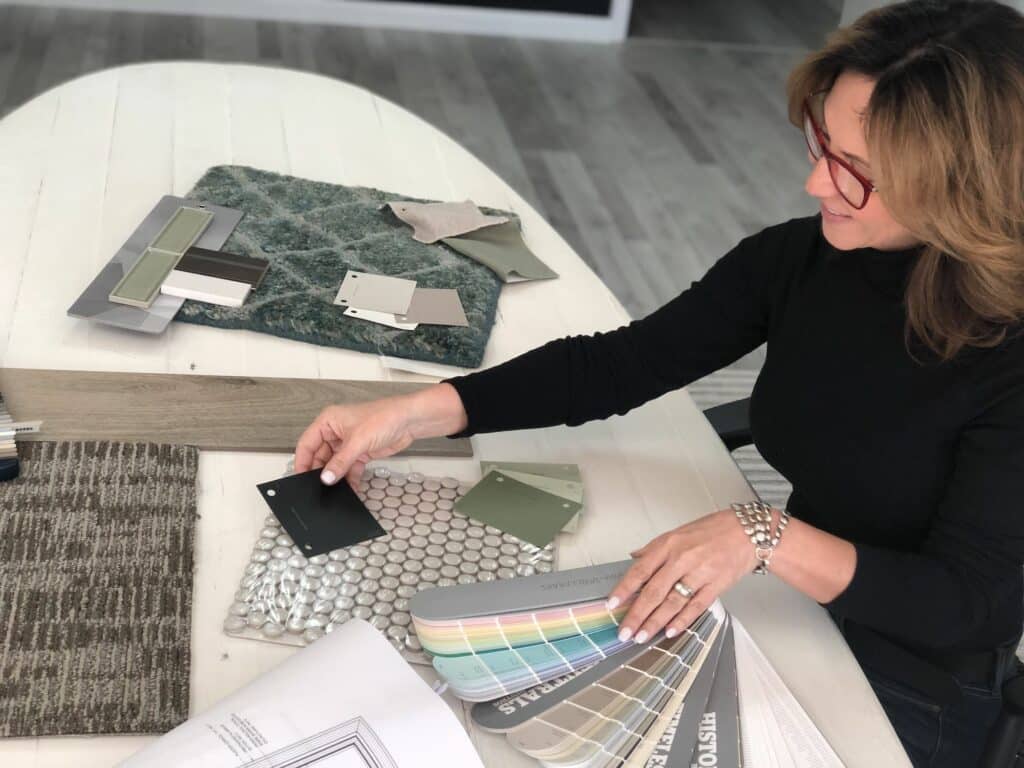
Decorators select color schemes by considering the client's preferences, the purpose of the space, and existing furnishings. They often use color theory principles and samples to create harmonious palettes that enhance the overall aesthetic of a room.
What is the role of an interior designer?
The role of an interior designer involves creating functional and aesthetically pleasing spaces by combining their expertise in design principles, space planning, and client needs. They manage the entire design process, from concept development to execution.
How do interior designers collaborate with contractors?
Interior designers collaborate with contractors by coordinating project details, sharing design plans, and ensuring that the construction aligns with the overall vision. This teamwork is essential for achieving a cohesive and functional space.
What trends are popular among interior decorators?
Current trends popular among interior decorators include sustainable materials, bold color palettes, and biophilic design, which incorporates natural elements to create harmonious spaces. Additionally, vintage and upcycled furnishings are gaining traction for their unique character and eco-friendliness.
How do interior designers manage client expectations?
Interior designers manage client expectations by establishing clear communication, setting realistic timelines, and providing detailed project outlines. They ensure clients understand the design process, budget considerations, and potential challenges, fostering a collaborative relationship throughout the project.
What certifications can enhance a designers credibility?
Certifications that can enhance a designer's credibility include the National Council for Interior Design Qualification (NCIDQ), Certified Interior Decorators International (CID), and membership in professional organizations like the American Society of Interior Designers (ASID).
How do decorators source furnishings and materials?
Decorators source furnishings and materials through various channels, including showrooms, online retailers, and trade markets. They often rely on established relationships with suppliers to find unique pieces that align with their design vision and client needs.
What is the process for hiring an interior designer?
The process for hiring an interior designer involves identifying your project needs, researching potential designers, reviewing their portfolios, scheduling consultations, discussing your budget, and finally, selecting a designer who aligns with your vision and requirements.
How do interior designers balance functionality and style?
Interior designers balance functionality and style by integrating practical needs with aesthetic preferences. They assess the space's purpose, select appropriate materials, and create layouts that enhance usability while ensuring the design remains visually appealing.
What are common misconceptions about decorators?
Common misconceptions about decorators include the belief that they are the same as interior designers and that they require formal training. In reality, decorators focus primarily on aesthetics and furnishings, without the extensive education needed for design projects.
How do interior designers handle budget constraints?
Interior designers handle budget constraints by carefully assessing client needs, prioritizing essential elements, and sourcing materials that fit within financial limits. They create detailed budgets and provide transparent cost estimates to ensure projects remain financially feasible while achieving desired outcomes.
What is the impact of lighting in design?
The impact of lighting in design is significant, as it enhances the mood, functionality, and aesthetic appeal of a space. Proper lighting can highlight architectural features, create ambiance, and influence how colors and textures are perceived.
How do decorators personalize a clients space?
Decorators personalize a client's space by understanding their preferences, lifestyle, and personality, then selecting colors, furnishings, and decor that reflect those elements, creating a cohesive and inviting environment tailored to the client's unique taste.
What software do interior designers use for layouts?
Interior designers use various software for layouts, including AutoCAD, SketchUp, and Revit, which allow them to create detailed floor plans and 3D models, ensuring functional and aesthetically pleasing designs for their projects.
How do interior designers stay updated on trends?
Interior designers stay updated on trends by attending industry events, following design publications, engaging with online platforms, and participating in professional networks. This continuous learning helps them incorporate the latest styles and innovations into their projects.
What are the benefits of hiring a decorator?
The benefits of hiring a decorator include access to professional expertise in aesthetics, time-saving on design decisions, and the ability to create a cohesive and visually appealing space tailored to your style and needs.
How do interior designers address client feedback?
Interior designers address client feedback by actively listening and incorporating suggestions throughout the design process, ensuring that the final outcome aligns with the client's vision and preferences while maintaining functional and aesthetic integrity.
What is the difference in training for designers?
The difference in training for designers lies in their educational backgrounds and qualifications. Interior designers typically undergo formal education in design principles, space planning, and building codes, while decorators often lack such formal training, focusing primarily on aesthetics.
How do decorators create cohesive design themes?
Decorators create cohesive design themes by selecting a harmonious color palette, coordinating furnishings, and integrating textures that complement each other. They focus on unifying elements to establish a balanced and aesthetically pleasing environment throughout the space.