Every year around this time, I get the same kind of call. Someone is hosting Thanksgiving for the first time, or having the family over for the holidays, and they’ve looked around their home and thought: something is off. The space doesn’t feel ready. It doesn’t feel like the kind of place where a good evening happens.
After 26 years of designing homes, I can tell you that feeling is usually right. And the fix is almost never what people think it is.
It’s not about decorating. It’s about the foundation.
Most people reach for seasonal decor when they want their home to feel festive. Candles, a wreath, some throw pillows in a new color. And while there’s nothing wrong with any of that, it doesn’t address what actually makes a home feel good to be in.
The spaces that work best for entertaining share a few things, regardless of season: good lighting you can adjust, furniture arranged for real conversation, enough surface area for people to set things down, and a flow that doesn’t create bottlenecks. If those fundamentals are off, no amount of holiday decor will fix the feeling.
Start with lighting — it changes everything and costs nothing to adjust
Overhead lighting is the enemy of a good dinner party. It’s too bright, too flat, and it makes everyone look slightly worse than they are. If your space relies on a single overhead fixture, start there.
The goal is layers: a dimmed overhead for ambient light, table lamps or floor lamps for warmth, candles on the table, maybe under-cabinet lighting in the kitchen. You want the ability to shift the mood from afternoon to evening without flipping a single switch to full brightness.
If you have dimmers installed, use them. If you don’t, it’s one of the highest-return improvements you can make to a space that entertains regularly.
 Rethink your furniture arrangement before you rearrange anything else
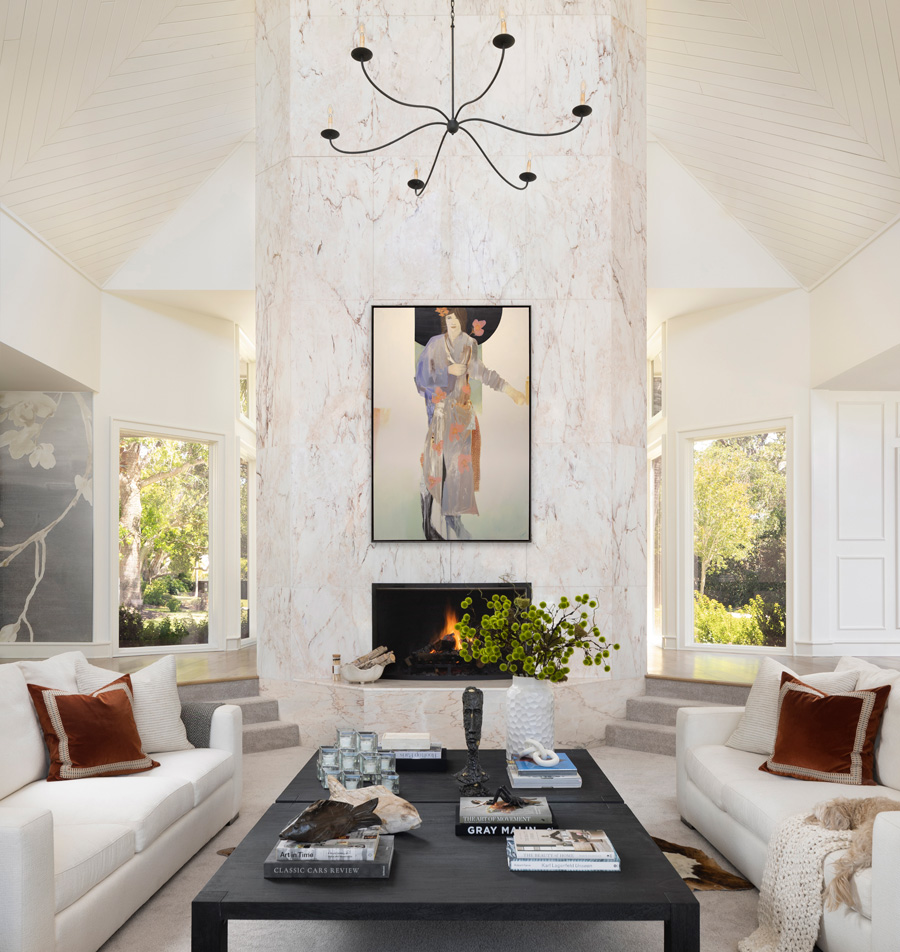 Rethink your furniture arrangement before you rearrange anything else
Most living room furniture is arranged around a television. That’s fine for everyday life. But for a gathering, it creates a problem: everyone ends up facing the screen instead of each other.
Before guests arrive, consider whether a simple rearrangement would help. Pull seating toward the center of the room. Create two or three smaller conversation areas instead of one large one — people tend to self-sort into groups at parties, and giving them defined places to land makes the room feel more intentional and less like everyone is competing for the couch.
The other thing to check: is there enough seating for the number of people you’re expecting? Not just chairs, but surfaces. Side tables, ottomans, a bench. People need somewhere to put a glass.
The entry matters more than you think
Guests form an impression of your home within the first few seconds of walking in. The entry doesn’t need to be large or elaborate, but it should feel like a landing — a place that says the rest of the house is worth seeing.
A simple entry refresh before a gathering: clear the surfaces, add one good-smelling candle or a small arrangement of something seasonal, and make sure the lighting is warm. If you have a bench or hooks, those are genuinely useful when people arrive with coats and bags. If you don’t, a designated spot for those things saves a lot of chaos later in the evening.
Your dining table is doing more work than you realize
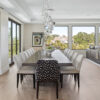
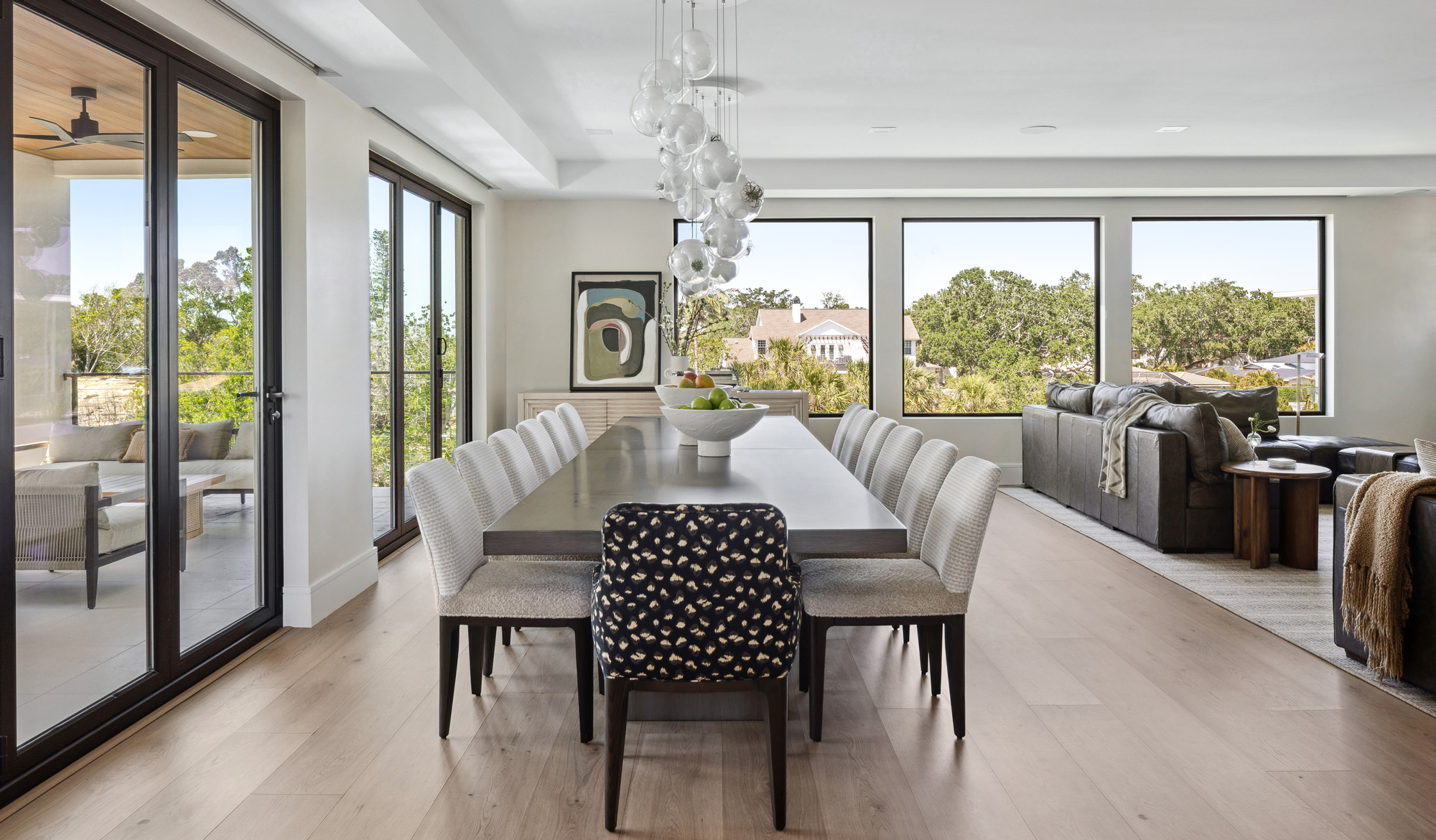
The table is where a gathering either comes together or falls flat. And it’s not about having the right tableware — it’s about proportion and intention.
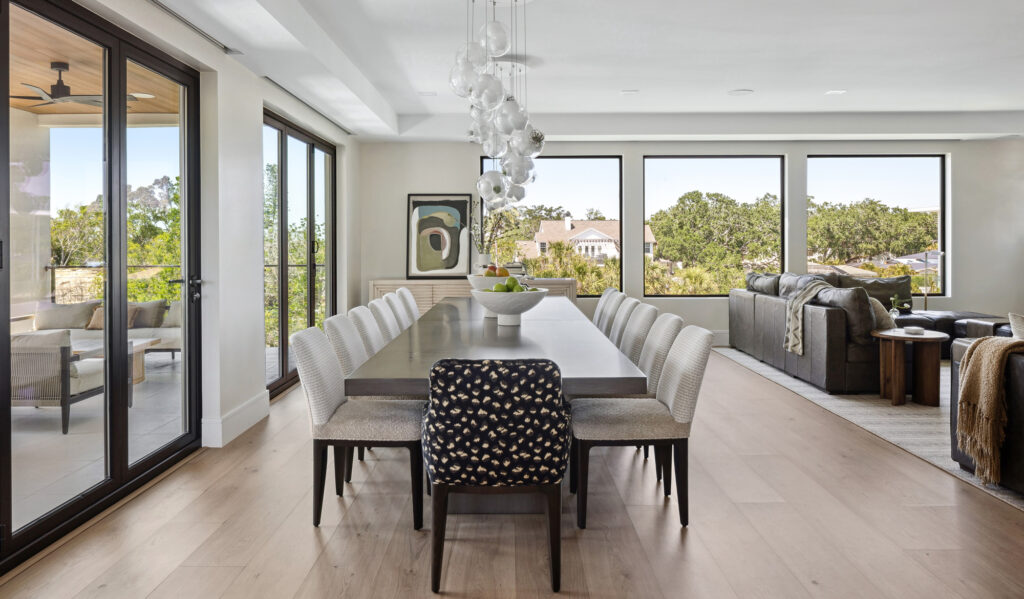
A table that’s too small for the number of people creates tension. A table with no visual anchor (a centerpiece, a candle grouping, something low enough to see over) feels unfinished. The fix doesn’t have to be elaborate: a few taper candles, a low bowl of something seasonal, or even just a runner in a texture that feels considered.
Lighting over the table matters too. If you have a chandelier or pendant that’s on a dimmer, lower it for dinner. The warmth it creates over the table is worth more than any centerpiece.
One thing most people overlook: the guest bathroom
It will get used. And guests notice it in a way they notice almost nothing else, because they’re in there alone with nothing to look at but the space itself.
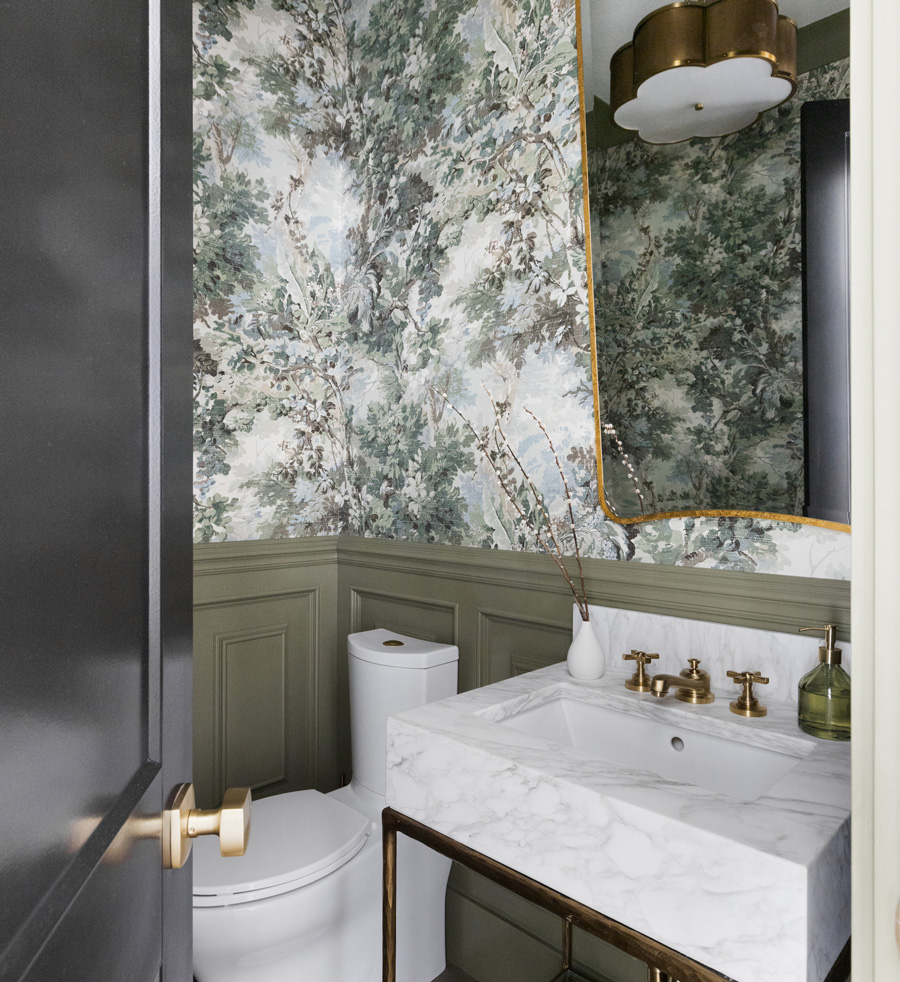 You don’t need to redecorate it. Fresh hand towels, a good-smelling hand soap, a small plant or a single piece of art on the wall, and a surface that isn’t cluttered: that’s the entire formula. It takes twenty minutes, and it makes a lasting impression.
The simplest thing you can do
Walk through your home the night before a gathering as if you’re seeing it for the first time. Look at the lighting. Look at where people will naturally stand and sit. Look at the entry, the bathroom, the dining table. Notice what’s cluttered and what’s considered.
You’ll see it immediately — the things that are working and the things that aren’t. And most of the time, the fix is simpler than you think.