
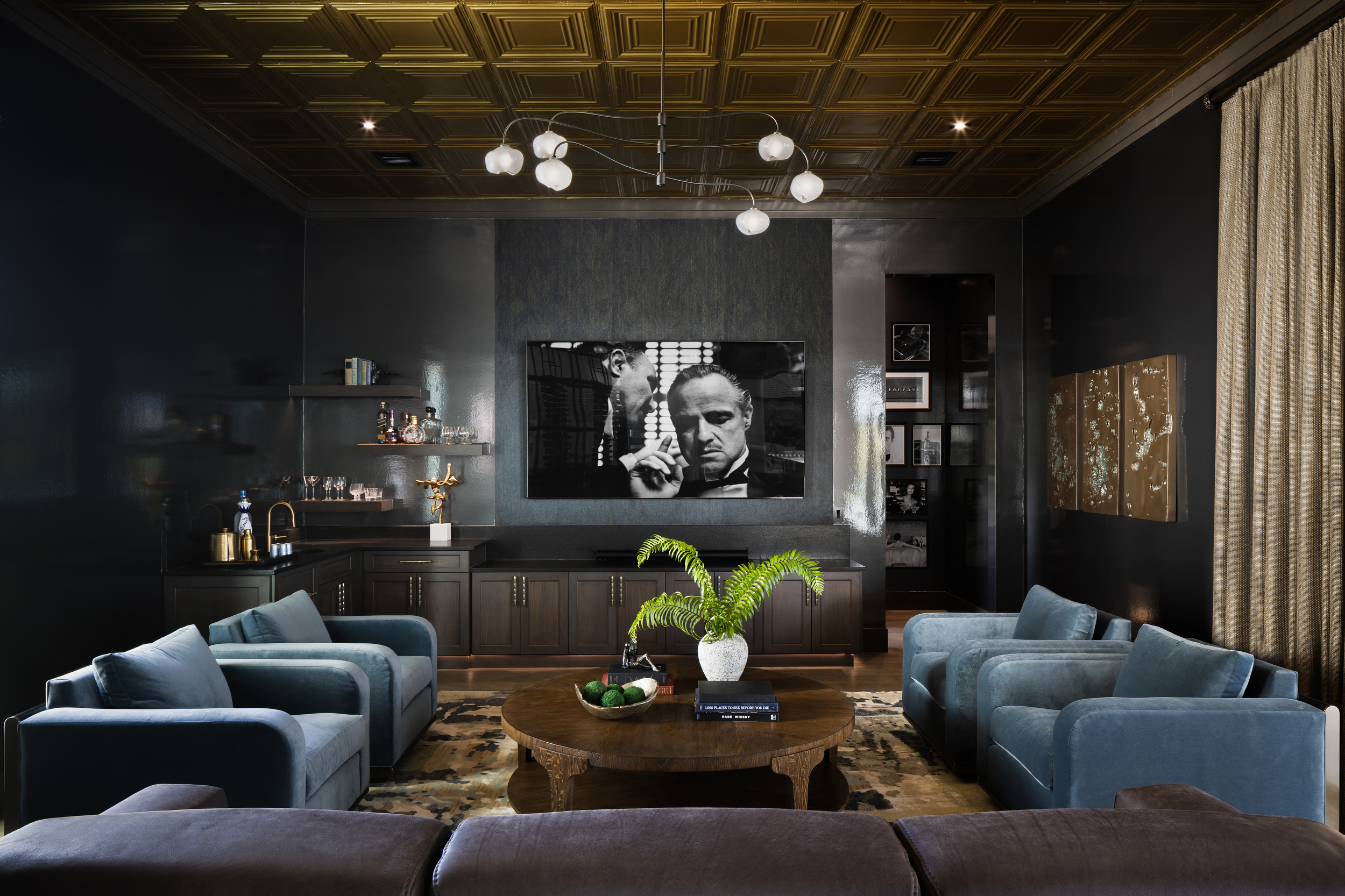
The question I get more than any other
It’s not “How much does it cost?” It’s not “How long will it take?”
The question I hear most, usually in a quiet moment after we’ve started talking, is this: “So what does this actually look like? Day to day. What am I walking into?”
It’s a fair question. Design is one of those industries that looks a certain way from the outside and feels completely different from the inside. And for homeowners who haven’t been through a full design process before, the uncertainty can be just as intimidating as the project itself.
So let me answer it honestly. Here’s what working with a luxury interior designer at Trade Mark Interiors actually looks and feels like.
It starts with a conversation, not a presentation
Our first meeting isn’t about showing you a portfolio and hoping something lands. It’s about listening. We want to understand how you live, what your home needs to do for you, what’s worked in your past spaces, and what hasn’t. We want to know what your mornings feel like, and how you like to entertain, and whether you’re someone who finds peace in stillness or energy in color.
This is where my background in psychology shapes the process in a way most design firms don’t approach. Design decisions are emotional decisions. They’re deeply tied to identity, comfort, and the sense of safety a space provides. Understanding that from the beginning changes everything that comes after.
If you’ve done a little reading on this already, you might find our piece on [why involving a designer early changes everything] useful context for this part of the conversation.
Your designer acts as both creative lead and advocate
One of the most common misconceptions is that hiring a designer means handing over control of your home. The opposite is true.
Think of it this way: your designer is the person in the room who is always thinking about you. When we’re working with your builder, we’re advocating for your vision. When we’re sourcing materials, we’re thinking about how you’ll actually live in the space, not just how it will photograph. Every decision gets weighed for its purpose, its investment value, and its longevity in your life.
In Sarasota, where so many of our clients are building new construction, renovating before a move-in, or transitioning from another market, this advocacy role becomes especially important. The relationships we’ve built with local builders, contractors, and trade partners over 25 years mean we can facilitate and communicate in ways that protect both your timeline and your investment. (We wrote about [what to expect when partnering with a designer on a new build] if you’re in that phase.)
The sooner you bring us in, the better the outcome
If there’s one thing I’d want every homeowner to know before starting a project, it’s this: the best time to involve a designer is before you’ve made any decisions.
Not after you’ve chosen the flooring. Not after you’ve ordered the sofa. Before. Because the decisions that happen early in a project, layout, sightlines, lighting rough-in, and material lead times have the biggest impact on the finished space, and they’re the hardest and most expensive to change later.
Early involvement lets us shape the plan around your needs, your budget, and your long-term goals from the beginning. It means a cohesive vision from day one, rather than a series of disconnected decisions that must be reconciled at the end.
Timelines are real, and we’ll always be honest about them
This is where I find clients need the most clarity and where many designers are less than forthcoming.
A full luxury renovation or new build, including furnishings, takes time. Depending on the scope, you’re typically looking at several months to over a year from initial design through final installation. Custom cabinetry runs 10 to 16 weeks. Natural stone can be 6-10. Luxury furniture, 12 to 20. Window treatments, 8 to 12.
These aren’t delays… they’re the lead times that come with sourcing at a quality level that delivers lasting results. What we do is map the full timeline from the start so nothing is a surprise, and so your move-in date (or your season opening, or your holiday gathering) is built into the plan, not threatened by it.
A furnishing-focused project without renovation typically runs 4 to 9 months. Every project is different and scope-dependent, which is something we’ll discuss clearly in our first conversations.
Yes, we work closely with your architect and builder
If you already have a preferred architect or builder, chances are we know them or have worked alongside them before. Sarasota is a close-knit market, and the luxury residential community is smaller than it looks from the outside.
Our role in the builder/architect relationship is distinct from theirs. They build what we design together. We translate the vision into specifications they can execute, catch issues in the plans before they become costly problems in the field, and ensure the design intent doesn’t get lost during construction.
Good collaboration among all three parties — designer, architect, builder — produces homes that feel cohesive rather than like three separate visions fighting for the same space.
What the day-to-day actually feels like
Most of our clients tell us they expected the process to feel heavier than it does. There’s a lot happening behind the scenes, procurement, coordination, specification, site visits, but our job is to carry that weight so you don’t have to.
What you’ll experience: regular communication, clear decision points with enough context to make confident choices, and a process that feels organized rather than chaotic. We don’t overwhelm clients with decisions all at once. We sequence them intentionally, so each choice builds on the last.
What you won’t experience: being left to figure out why something doesn’t look right, chasing down contractors on your own, or finding out three months in that a material you loved is discontinued.
The moment that makes it worth it
There is a moment in every project — usually right around reveal day — where a client walks into their finished space and goes completely quiet.
Not because they don’t love it. Because they do, and they weren’t expecting to feel it quite that way. That’s the moment we work toward on every project, and it never gets old.
If you’ve been thinking about what a design project for your home might look like and you’re not sure where to start, our guide on 8 questions to ask your interior designer is a good first step. And when you’re ready to have the conversation, we’re here.