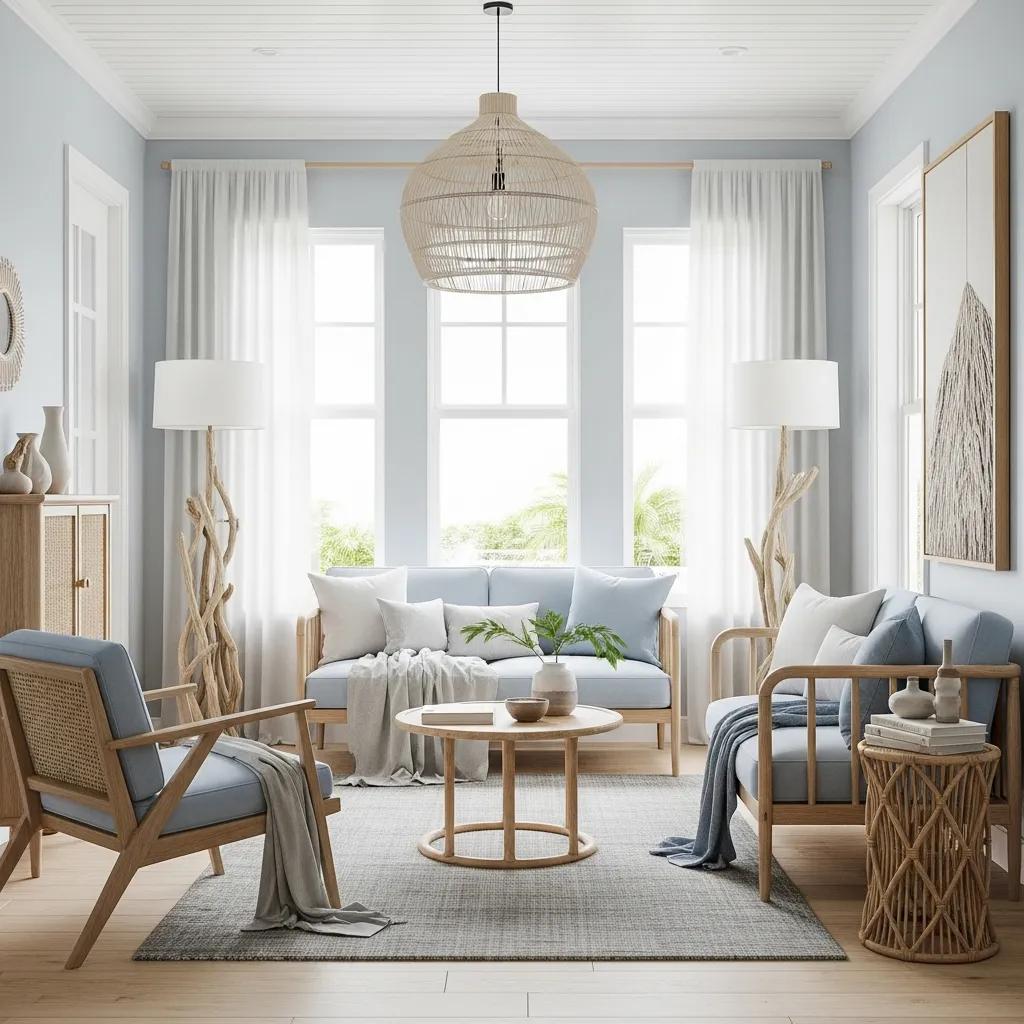
Blending Japandi style with Florida coastal vibes creates a unique aesthetic that harmonizes minimalism with the relaxed, airy feel of coastal living. This article will guide you through the essential elements of both design styles, offering expert strategies for achieving a seamless integration. As we approach 2025, understanding how to merge these two distinct styles can elevate your interior spaces, making them both functional and visually appealing. You will learn about the core principles of Japandi design, the natural materials that define it, and how to incorporate coastal elements effectively. Additionally, we will explore the latest trends and sustainable practices that are shaping luxury interior design today.
This unique aesthetic, often referred to as Japandi design, is celebrated for its seamless integration of Japanese minimalism and Scandinavian functionality.
Japandi Design: Blending Minimalism, Natural Materials & Light Colors
The latest iteration of Scandinavian chic that has been taking over Pinterest and social media is called Japandi design. By combining Japanese minimalism and concepts such as “Wabi Sabi” (finding beauty in imperfection) with the natural materials and functionality of Scandinavian design, Japandi design is “the perfect blend of function and form, focusing on clean lines, bright spaces, and light colors.”
Japandi-Inspired Hideaway: Finding Calm in a Shinrin-Yoku Sanctuary
What Defines Japandi Style and Its Core Design Principles?
Japandi style is a design philosophy that merges Japanese minimalism with Scandinavian functionality, creating spaces that are both serene and practical. This style emphasizes simplicity, natural materials, and a connection to nature, which fosters a calming atmosphere. The core principles of Japandi design include a focus on craftsmanship, the use of neutral color palettes, and the incorporation of natural light. By prioritizing these elements, Japandi interiors promote a sense of tranquility and balance, making them ideal for modern living.
These principles are deeply rooted in traditional Japanese aesthetics, which emphasize simplicity, harmony with nature, and even the beauty of imperfection.
Japanese Design Principles: Simplicity, Nature, Wabi-Sabi
The paper begins by exploring the characteristics of Japanese design that have remained consistent over time, such as attention to detail, simplicity, and harmony with nature, which are clearly identified in furniture in this research. The paper also considers the philosophical side of Japanese aesthetics, including the concept of wabi-sabi, which celebrates imperfection and impermanence.
The Evolution of Japanese Design: Application and User Perspectives in New Product Development, S Khalifa, 2023
How Do Japanese and Scandinavian Elements Combine in Japandi Design?
The fusion of Japanese and Scandinavian elements in Japandi design results in a harmonious blend of aesthetics and functionality. Japanese design often features clean lines, low furniture, and a strong connection to nature, while Scandinavian design emphasizes warmth, comfort, and practicality. Together, these elements create a cohesive look that is both inviting and sophisticated. Key aspects of this combination include the use of natural materials like wood and bamboo, as well as a focus on decluttered spaces that allow for easy movement and relaxation.
Academic research further explores this modern trend, identifying the intricate similarities and differences in design understanding between Japan and Nordic countries.
Japandi: A Modern Blend of Nordic and Japanese Design
The purpose of the article is to identify similarities and differences in the understanding of design in Japan and the Nordic countries based on the analysis of the modern trend in environmental design “japandi”, which involves a blending of Scandinavian (Nordic) and Japanese design traditions.
Japandi: between Nordic and Japanese design, 2025
Which Natural Materials and Minimalist Features Characterize Japandi Interiors?
Japandi interiors are characterized by their use of natural materials and minimalist features that enhance the overall aesthetic. Common materials include:
- Wood: Often used for furniture and flooring, wood adds warmth and texture to spaces.
- Bamboo: This sustainable material is frequently incorporated into decor and furniture, reflecting the Japanese appreciation for nature.
- Linen: Used in textiles, linen provides a soft, breathable quality that complements the minimalist approach.
These materials, combined with a minimalist design ethos, create an environment that feels both grounded and airy, perfect for fostering relaxation.
How Can Florida Coastal Design Elements Enhance Japandi Interiors?
Integrating Florida coastal design elements into Japandi interiors can enhance the overall ambiance, creating a fresh and inviting atmosphere. Coastal design often features light, airy colors and natural textures that complement the serene qualities of Japandi style. Key elements to consider include:
- Color Palettes: Soft blues, sandy beiges, and crisp whites can evoke the feeling of the beach while maintaining the calmness of Japandi design.
- Textures: Incorporating materials like driftwood, rattan, and sea grass can add depth and interest to the space.
- Natural Light: Maximizing natural light through large windows or open spaces can create a bright, airy feel that is essential to both styles.
By thoughtfully blending these elements, you can create a cohesive design that reflects both the tranquility of Japandi and the vibrancy of coastal living.
Trade Mark Interiors specializes in luxury interior design services tailored to affluent homeowners, making them an excellent resource for those looking to achieve this unique blend in their homes.
What Are the Signature Color Palettes and Textures of Florida Coastal Style?
Florida coastal style is known for its signature color palettes and textures that evoke a sense of relaxation and connection to the sea. Common color choices include:
- Soft Blues: Mimicking the ocean, these hues create a calming effect.
- Sandy Beiges: These neutral tones provide a warm backdrop that complements other colors.
- Crisp Whites: Bright whites enhance the feeling of space and light.
Textures play a crucial role in coastal design, with materials like linen, cotton, and natural fibers being prevalent. These elements work together to create a cohesive look that is both inviting and refreshing.
How Do Light and Airiness Influence Coastal Interior Ambiance?
Light and airiness are fundamental to creating a coastal interior ambiance. Natural light enhances the perception of space, making rooms feel larger and more open. Key factors that contribute to this effect include:
- Large Windows: Expansive windows allow for maximum light penetration, creating a bright and cheerful environment.
- Open Floor Plans: These layouts promote airflow and visual continuity, enhancing the airy feel of the space.
- Light Color Schemes: Using light colors on walls and furnishings can reflect light, further amplifying the sense of openness.
By prioritizing these elements, you can create a coastal-inspired interior that feels both spacious and inviting.
What Are Effective Methods to Integrate Japandi and Florida Coastal Styles?
Integrating Japandi and Florida coastal styles can be achieved through several effective methods:
- Choose a Neutral Base: Start with a neutral color palette that incorporates soft whites and beiges, allowing for flexibility in adding coastal accents.
- Incorporate Natural Materials: Use wood, bamboo, and linen to create a cohesive look that reflects both styles.
- Focus on Functionality: Select furniture that is both aesthetically pleasing and practical, ensuring that each piece serves a purpose.
By following these methods, you can create a harmonious blend of Japandi and coastal design that enhances the beauty and functionality of your space.
Trade Mark Interiors can assist in selecting the right pieces and materials to achieve this blend, ensuring a seamless integration of styles.
Which Furniture and Decor Choices Best Reflect a Minimalist Coastal Fusion?
When selecting furniture and decor for a minimalist coastal fusion, consider the following choices:
| Furniture Type | Material | Style |
|---|---|---|
| Low-profile sofas | Linen | Japandi |
| Rattan chairs | Natural fibers | Coastal |
| Wooden coffee tables | Reclaimed wood | Both |
These selections reflect the essence of both styles, providing a minimalist yet inviting atmosphere that encourages relaxation and comfort.
How to Select Materials and Textures That Harmonize Both Styles?
Selecting materials and textures that harmonize Japandi and Florida coastal styles involves focusing on natural, sustainable options. Key considerations include:
- Layering Textures: Combine soft textiles with hard surfaces to create visual interest.
- Material Compatibility: Ensure that the materials used complement each other in both color and texture.
- Visual Harmony: Aim for a cohesive look that reflects the principles of both design styles, promoting a sense of balance and tranquility.
By carefully selecting materials, you can create a space that feels both serene and inviting.
What Are the Key 2025 Interior Design Trends Impacting Japandi-Coastal Blends?
As we look towards 2025, several key interior design trends are emerging that will impact the blending of Japandi and coastal styles. These trends include:
- Sustainability: A growing emphasis on eco-friendly materials and practices is shaping design choices.
- Biophilic Design: Incorporating natural elements and greenery into interiors is becoming increasingly popular, enhancing the connection to nature.
- Personalization: Homeowners are seeking unique, personalized spaces that reflect their individual tastes and lifestyles.
These trends will continue to influence how designers approach the integration of Japandi and coastal styles, ensuring that spaces remain relevant and appealing.
How Does Sustainability Influence Luxury Interior Design in 2025?
Sustainability is becoming a central focus in luxury interior design as consumers increasingly prioritize eco-friendly practices. Key aspects include:
- Sustainable Materials: The use of reclaimed wood, organic textiles, and low-impact finishes is on the rise.
- Energy Efficiency: Incorporating energy-efficient appliances and lighting solutions is essential for modern luxury homes.
- Ethical Sourcing: Homeowners are more conscious of where their materials come from, favoring brands that prioritize ethical practices.
This shift towards sustainability not only benefits the environment but also enhances the overall quality and appeal of luxury interiors.
Which Case Studies Demonstrate Successful Japandi and Coastal Style Integration?
Several case studies highlight successful integrations of Japandi and coastal styles, showcasing the potential of this design fusion. Notable examples include:
- Beachfront Retreat: A home that combines low-profile furniture with coastal colors, creating a serene and inviting atmosphere.
- Urban Oasis: An apartment featuring natural materials and large windows, maximizing light and promoting a sense of openness.
- Family Home: A residence that incorporates functional furniture and playful coastal accents, balancing practicality with aesthetic appeal.
These case studies demonstrate the versatility and beauty of blending Japandi and coastal styles, offering inspiration for your own design projects.