Creating a wellness-focused bedroom in Coastal Florida calls for thoughtful responses to climate, daylight, humidity and waterfront views—paired with refined materials and systems that support rest. This practical guide walks through how those regional conditions influence choices for color, finishes, ventilation, lighting, acoustics and spa-style amenities so you can improve sleep quality and daily restoration. You’ll find actionable steps for biophilic integration, circadian-supporting lighting, moisture-resistant luxury materials, spatial planning and spa feature selection tailored for Sarasota and the Gulf Coast. Product comparisons and simple EAV (Entity–Attribute–Value) tables clarify mattress, textile and lighting options to make decisions easier. Throughout, we link design choices to measurable wellness outcomes so high-end homeowners and new-build projects can translate strategy into a delivered retreat.
What Are the Key Elements of a Wellness-Focused Coastal Florida Bedroom?
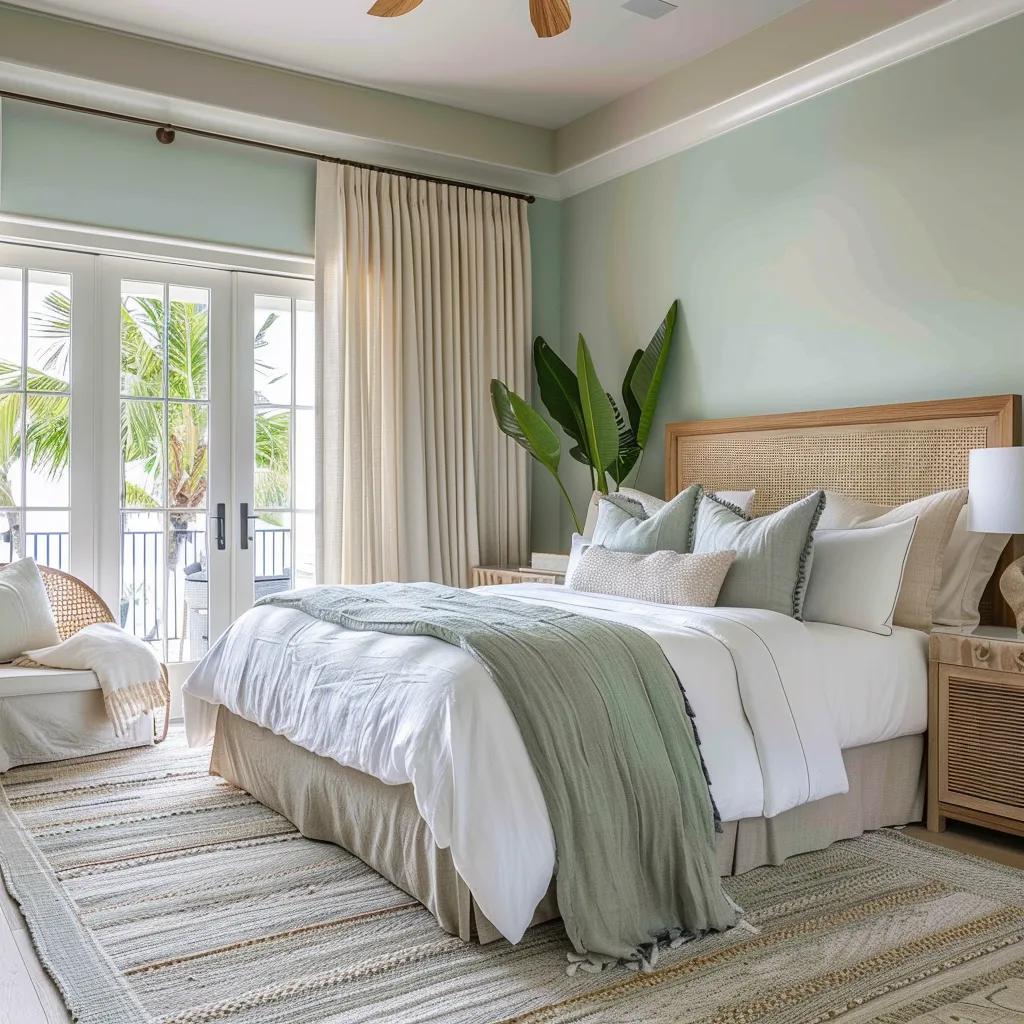
A wellness-focused coastal bedroom blends a calming coastal palette, direct nature connection, low‑toxicity natural materials, layered circadian-aware lighting, and strategies for sound and scent control that support nightly recovery. These components work as a system: color and texture calm physiology, biophilic elements reduce stress, breathable textiles manage thermal comfort, lighting cues circadian rhythms, and acoustic and scent controls reduce disruptions. In Coastal Florida, material and mechanical choices must also account for humidity, salt air and sun exposure. Below is a concise list of the most important elements and how they combine to create a serene, restorative bedroom.
Key elements for a wellness-focused coastal bedroom:
- Calm coastal palette: soft blues, muted greens and sandy neutrals chosen to lower physiological arousal.
- Biophilic connection: framed views, natural textures and indoor planting to reduce stress and restore attention.
- Natural, low‑VOC materials: breathable linens and sustainably finished woods to protect indoor air quality.
- Layered circadian lighting: tunable ambient, targeted task and low‑glare accent lighting to support sleep–wake rhythms.
Together these elements form a systems approach: color and materials set baseline comfort while lighting, ventilation and acoustic strategies fine‑tune physiological cues for sleep and daytime alertness. The next section shows how biophilic design concretely enhances wellness in Florida bedrooms.
How Does Biophilic Design Enhance Florida Bedroom Wellness?
Biophilic design reconnects occupants to natural cues—light, views, vegetation and organic textures—lowering stress hormones and improving mood and cognitive restoration. In practical terms, that means orienting the bed for the best view where possible, maximizing operable windows for cross‑ventilation, and grouping humidity‑tolerant plants in protected locations to avoid moisture problems. Choose salt‑tolerant, low‑maintenance species and use planters that protect finishes and manage runoff. These biophilic touches not only support subjective wellbeing but also add tactile and visual richness that encourages faster sleep onset. Next, we’ll look at how color palettes reinforce that calm.
Research shows that integrating natural elements into interiors can lower stress and lift mood.
Biophilic Design and Restorative Healing Environments
Florida State University — ProQuest Dissertations & Theses, 2014. (1565757)
A study examining the relationship between biophilic design and restorative healing environments found measurable benefits to well‑being when natural elements were integrated into interior spaces.
Which Coastal Color Palettes Promote Tranquility and Relaxation?
Tranquil coastal palettes favor desaturated blues, muted greens, sandy beiges and soft shell tones—hues that tend to lower physiological arousal and cue relaxation by association. Use a neutral wall field (sandy beige or warm white), layer in muted blues or green‑gray as secondary tones, and introduce warm accents—soft terracotta or muted brass—sparingly to keep the look refined and calm. Opt for matte or low‑sheen paints to reduce glare, coordinate textured textiles in complementary tones, and reserve high‑contrast pieces for deliberate focal points. Thoughtful color layering paired with lighting strategies helps reinforce circadian cues, which we cover in the layout and lighting section.
How Can Luxury Coastal Bedroom Design Maximize Comfort and Functionality?
Luxury coastal bedroom design marries high‑performance, low‑toxicity materials with ergonomic furniture and bespoke built‑ins that reduce clutter and support daily routines. Prioritize comfort and durability: select bedding and finishes that resist moisture, breathe well and meet low‑VOC standards while preserving a refined aesthetic. Integrated storage and tailored dressing areas keep sightlines calm and simplify evening rituals—small decisions that materially improve sleep hygiene.
Material and finish comparisons for comfort and coastal durability:
| Product Category | Key Performance Attributes | Typical Value for Coastal Wellness |
|---|---|---|
| Mattress Type | Support/comfort, breathability, moisture resilience | Pocketed coils with breathable natural fibers offer balanced support and airflow |
| Bedding Fabric | Breathability, moisture wicking, low‑VOC dyes | Linen and organic cotton provide excellent thermoregulation and natural comfort |
| Surface Finish | Corrosion resistance, low‑VOC, maintenance | Water‑resistant, low‑VOC finishes and stainless or powder‑coated hardware resist salt air |
This comparison clarifies trade‑offs: prioritize breathability and low‑toxicity textiles for nightly comfort while specifying finishes that minimize maintenance in humid, saline conditions. The next H3 sections explore specific materials and smart systems that amplify wellness outcomes.
What Natural Materials and Textures Are Ideal for Coastal Wellness Bedrooms?
Choose linen and organic cotton for bedding, sustainably sourced woods with moisture‑resistant finishes for casegoods, and textured fibers like rattan or seagrass for secondary accents. Linen and organic cotton breathe and regulate temperature, helping reduce nighttime awakenings, while proper wood finishes prevent cupping and surface deterioration in humid environments. For luxury interiors, specify sustainably certified woods and low‑VOC sealants to preserve indoor air quality. Design for maintenance—removable cushion covers and sealed joins—so these textures stay fresh and continue to support wellness over time.
How Does Smart Home Technology Improve Wellness in Florida Bedrooms?
Smart systems automate lighting, climate and air‑quality controls so the environment supports circadian alignment and comfort without constant manual adjustment. Useful functions include tunable‑white lighting schedules that mimic dawn and dusk, humidity‑aware HVAC controls to reduce mold risk, and air‑quality sensors with filtration scenes for high‑pollen days. Keep integrations simple and privacy‑forward: program quiet, reliable scenes for sleep, wake and relaxation. When hidden behind elegant interfaces, smart systems become invisible helpers that consistently support restorative routines.
How Do You Optimize Layout and Lighting for a Serene Florida Bedroom Retreat?
Start by prioritizing sightlines to daylight and outdoor views, zone the room for sleeping, dressing and relaxing, and plan layered lighting that supports circadian rhythms and task needs. Minimize clutter in the sleep field, create separate dressing and seating areas, and maintain clear circulation paths for unimpeded movement. Lighting should include three layers—ambient, task and accent—with dimming and tunable‑white capabilities so the room’s spectral content can shift through the day. Below is a practical checklist for layout and lighting decisions that improves comfort and sleep hygiene.
- Place the bed to balance view, privacy and daylight while avoiding direct glare on sleeping faces.
- Zone ancillary functions (dressing, reading nook) away from the sleep field to prevent nocturnal disturbance.
- Specify layered lighting with separate controls for ambient, task and accent circuits, including dimming and tunable‑white options.
- Install blackout or low‑transmittance window treatments—motorized or manual—to control daylight exposure and support sleep timing.
Each step reduces environmental disruptions and establishes predictable sleep cues. The table below compares lighting layers, recommended fixtures and their wellness impacts.
| Lighting Layer | Recommended Fixtures | Wellness Impact / Controls |
|---|---|---|
| Ambient | Recessed dimmable fixtures, pendant with dimmer | General illumination; use 2700–3000K in the evening and employ tunable‑white for daytime when needed |
| Task | Adjustable reading sconces, desk/task lamps | Focused light for reading and dressing; independent switches prevent unnecessary overnight activation |
| Accent | Wall wash, picture lights, low‑glare uplighting | Adds depth and reduces harsh contrast; lower intensity supports evening relaxation |
Thoughtful execution of layered lighting gives each activity the right visual conditions while letting the bedroom shift into a low‑arousal state at night. Next we cover smaller layout rules that improve flow and reduce cognitive load.
What Are Best Practices for Layout and Flow in Wellness Bedrooms?
Prioritize bed orientation, adequate circulation, scaled furnishings and concealed storage to reduce visual clutter and mental load before sleep. Allow 24–30 inches of clear circulation on each side of the bed and choose furniture scaled to the room so spaces don’t feel cramped. Built‑in storage or custom closets hide daily items and preserve calm sightlines—reducing decision fatigue and supporting nightly routines. Thoughtful placement of nightstands, dimmable task lights and seating creates purposeful zones that protect the sleep field and inform lighting and material selections.
How Should Lighting Be Designed to Support Mood and Sleep?
Design lighting to support circadian health: use tunable‑white ambient fixtures for daytime stimulation and warm, dimmable light for evening wind‑down, and add blackout or low‑transmittance window treatments to control nocturnal light. Target 2700–3000K for evening use and allow up to 4000–5000K for daytime tasks when natural light is low, with programmable transitions to cue physiological responses. Choose low‑glare fixtures positioned to avoid direct light on sleeping faces, and provide simple scene controls so occupants can move between settings without bright overhead activation. When lighting is coordinated with ventilation and acoustic measures, the bedroom becomes a predictable place that supports regular sleep cycles.
What Are Sarasota-Specific Coastal Wellness Design Trends to Consider?
Sarasota trends favor a light, casual‑luxe coastal aesthetic with contemporary tailoring that enhances indoor‑outdoor connections and prioritizes materials resilient to Gulf Coast conditions. Local homeowners and builders increasingly choose muted, regionally inspired palettes, native or salt‑tolerant plantings, and artisan textiles that reference local craft. Climate‑driven selections—coastal‑grade hardware, high‑performance finishes and humidity‑managed systems—ensure long‑term beauty with less upkeep. Below are recent innovations and preferences that make wellness‑focused bedrooms both regionally appropriate and durable.
- Tailored coastal palettes and layered textures that read upscale yet relaxed.
- Coastal‑grade finishes and hardware specified for corrosion resistance and lower maintenance.
- Native or salt‑tolerant plantings that require minimal care and help improve indoor air quality.
- Advanced dehumidification and finish systems tailored to Gulf Coast humidity control.
These trends reflect a market appetite for curated luxury that endures local environmental stressors. The following section explains how Sarasota’s aesthetic language shapes wellness choices.
How Does Sarasota’s Coastal Style Influence Wellness Bedroom Design?
Sarasota’s coastal style favors airy daylight, relaxed textures and restrained luxury that together lower visual noise and psychological arousal. This regional language encourages larger openings for daylight, layered indoor‑outdoor living and artisanal textiles that feel tactile without fuss. Local sourcing and craftsmanship let you customize finishes and joinery to resist saline air, which helps interiors hold up over time while maintaining a calm, restorative tone.
Which Recent Wellness Design Innovations Are Popular in Sarasota?
Popular innovations in Sarasota include coastal‑grade, low‑maintenance finishes; HVAC strategies with integrated humidity control; artisan‑made, low‑VOC textiles; and modular solutions for aging‑in‑place that preserve the aesthetic. Each addresses a wellness outcome: humidity control reduces mold and supports respiratory health; low‑VOC textiles and finishes lower chemical exposure; and thoughtful aging adaptations preserve independence and reduce stress. Practical tips: partner with local fabricators for washable covers, specify HVAC zoning with dehumidification and use corrosion‑resistant fixtures for long life. These approaches make wellness design both practical and durable on the Gulf Coast.
How Can You Incorporate Spa-Like Features into Your Coastal Florida Bedroom Retreat?
Adding spa‑like features to a coastal master suite centers on hydrotherapy touches, warm surfaces, luxurious textiles, and integrated scent and sound systems that ritualize relaxation. Plan for an en‑suite layout that separates wet and dry zones, or create portable spa moments—heated towel cabinets, aromatherapy diffusers and soundscapes—where a full bath isn’t available. The EAV table below summarizes common spa features, their functions and typical placement so you can prioritize upgrades by space and mechanical impact.
| Spa Feature | Function | Typical Placement / Notes |
|---|---|---|
| Soaking tub or hydrotherapy bath | Deep relaxation and improved circulation | En‑suite wet zone; requires plumbing and structural planning |
| Heated floors/towel warmers | Comfort and warm transition after bathing | Bathroom and adjacent dressing areas; requires electrical/plumbing planning |
| Aromatherapy / scent systems | Olfactory relaxation and ritual cues | Bedside diffuser or integrated HVAC scent zones; use low doses |
| Soundscaping systems | Masking noise and guided relaxation | Concealed speakers in ceiling or headboard; tied to programmable scenes |
These features support physiological relaxation and establish nightly rituals that cue sleep. Below are common spa elements homeowners prioritize and how each supports wellness.
- Hydrotherapy: soaking tubs and steam options help reduce muscle tension and lower pre‑sleep heart rate.
- Surface warmth: heated floors and towel warmers ease thermal transitions and enhance comfort.
- Tactile textiles: high‑GSM towels, layered blankets and soft rugs offer sensory cues of safety and coziness.
- Olfactory and auditory systems: gentle scenting and curated soundscapes reduce stress and reinforce bedtime routines.
When combined with circadian lighting and climate control, these spa touches form an integrated ritual that signals the brain to relax and delivers measurable physiological benefits.
What Spa Elements Create a Relaxing Master Suite Environment?
Key spa elements include a dedicated relaxation nook or chaise for quiet reading or meditation, hydrotherapy where space permits, warmed surfaces for thermal comfort and convenient storage for bath textiles and rituals. Keep wet and dry zones visually separate so the sleep area remains calm, and address mechanical needs—plumbing access, tub load‑bearing and electrical for heated elements—early in the process. If space is limited, compact alternatives such as portable towel warmers, shallow steam cabinets or heated rugs offer similar ritual benefits with less construction impact. These choices support predictable nightly routines that promote sleep onset and reduce evening stress.
- Hydrotherapy elements reduce muscle tension and lower heart rate.
- Surface warmth improves circulation and prepares the body for sleep.
- Tactile textiles provide sensory signals of comfort and safety.
- Olfactory and auditory systems stabilize bedtime behavior.
How Do These Features Enhance Overall Bedroom Wellness?
Spa features improve wellness through physiological effects—hydrotherapy reduces sympathetic arousal, warmth enhances circulation and sleep readiness, and multisensory rituals lower cognitive rumination. Psychologically, predictable rituals and rich tactile cues help condition the brain for restorative states. Evidence and contemporary practice show that consistent multisensory routines increase sleep efficiency and perceived restfulness, so prioritizing a few high‑impact features often yields the best results. Choose upgrades based on budget, space and the specific wellness outcomes you want—faster sleep onset, fewer nighttime awakenings or reduced evening stress.
Water elements in interior spaces are widely recognized for their calming influence and mood benefits.
Biophilic Interior Design: Water Elements and Well-being
This case study examines how indoor water elements contribute to well‑being and biophilic design principles, finding that such features often increase occupant satisfaction and a sense of connection to nature. (F. Nevzatı, 2021)
Where Can You Find Expert Full-Service Interior Design for Wellness Bedrooms in Coastal Florida?
Working with a full‑service interior designer turns technical wellness strategies into a cohesive, installed retreat by coordinating finishes, mechanical systems, furnishings and trade partners across design and construction. A full process typically includes programming, schematic design, construction documentation, procurement and final installation so circadian lighting, humidity control, material choices and spa elements perform as intended. When evaluating firms, ask about regional experience with coastal climates, integrated mechanical solutions and installed bedrooms that delivered measurable wellness improvements. The final H3s describe our full‑service approach and how customized design outperforms off‑the‑shelf solutions.
Why Choose Trade Mark Interiors for Luxury Coastal Wellness Bedroom Design?
Trade Mark Interiors, Inc. is a full‑service Sarasota design studio that blends behavioral insight with refined interiors—an approach well suited to wellness‑focused bedroom retreats across the Gulf Coast from Naples to Tampa. Through our From Plans to Pillows® delivery model we manage concept development, material selection and installation so color, lighting and finish choices perform in coastal conditions. Our portfolio features regional projects that demonstrate moisture‑resistant finishes, layered lighting schemes and bespoke textiles chosen to support restful routines. For clients who want a design partner that pairs psychology‑informed strategy with luxury execution, our integrated process turns technical recommendations into completed, livable rooms.
How Does Customized Design Elevate Your Florida Bedroom Retreat?
Customized design improves wellness by tailoring materials, systems and spatial solutions to site‑specific conditions and daily routines—delivering greater durability and personalization than off‑the‑shelf approaches. Bespoke built‑ins, carefully selected low‑VOC finishes and custom lighting scenes create predictable environments that reduce cognitive load and enhance long‑term comfort. Custom work also enables targeted mechanical integration—dedicated dehumidification, discreet sound‑masking or integrated aromatherapy controls—that standard products can’t provide. Investing in customization yields daily wellness benefits and higher long‑term value through resilience to coastal conditions and improved occupant satisfaction.
Frequently Asked Questions
What are the best plants for a coastal wellness bedroom?
Choose plants that tolerate humidity and occasional salt air—snake plants, peace lilies and pothos are reliable, low‑maintenance options that help indoor air quality. Succulents or air plants add sculptural interest without dominating the room. Place plants where they receive appropriate light and avoid locations that trap moisture against finishes to prevent mold. Thoughtful placement makes plants both beautiful and beneficial.
How can I ensure my bedroom design is sustainable?
Make sustainable choices by specifying eco‑friendly materials and energy‑efficient systems: sustainably sourced wood, low‑VOC paints and organic textiles reduce environmental impact. Use LED lighting and smart home controls to optimize energy use, and prioritize passive strategies—natural ventilation and good insulation—to minimize reliance on mechanical systems. Small, consistent choices across finishes and systems create a luxurious yet environmentally responsible bedroom.
What are the advantages of using layered lighting in a wellness bedroom?
Layered lighting—ambient, task and accent—gives you precise control over mood and function. Ambient lighting provides general illumination, task lighting supports reading and dressing, and accent lighting adds depth and visual calm. Together, these layers let you adjust brightness and color temperature to support circadian rhythms, creating a more versatile and restorative bedroom environment.
How can I create a spa-like experience in my bedroom?
To evoke a spa atmosphere, focus on soft, high‑quality textiles, warm surfaces and purposeful scent and sound. If space allows, add hydrotherapy elements like a soaking tub; if not, introduce portable options—heated towel cabinets, aromatherapy diffusers and curated soundscapes. Keep the space organized and clutter‑free so rituals feel effortless. Small, consistent sensory details make the room feel like a personal retreat.
What are some tips for maintaining a clutter-free bedroom?
Effective storage is essential: use built‑ins, under‑bed drawers and closet systems to keep everyday items out of sight. Regularly declutter—remove items you no longer use—and develop a short nightly tidy routine to maintain clear surfaces. Limit decorative objects to a few meaningful pieces to preserve a calm visual field. A streamlined, orderly bedroom supports relaxation and wellbeing.
How can I personalize my wellness bedroom design?
Personalize your bedroom with a color palette that soothes you, artwork or photos that spark positive memories and furnishings that suit your lifestyle—ergonomic seating, custom storage or a favorite reading chair. Integrate small personal rituals—favorite scents, a curated book selection or a chosen soundscape—to make the space uniquely yours. Thoughtful personalization supports emotional comfort and lasting enjoyment.