Natural patina—an organic surface change caused by oxidation, wear, sun and humidity—brings depth, narrative and tactile warmth to luxury interiors. This guide explains how patina develops across wood, metal, stone, leather and textiles, then offers eight practical strategies Sarasota homeowners and designers can use to create authentic coastal, contemporary and Mediterranean homes. You’ll find material‑by‑material explanations, coastal preservation tactics, style‑specific integration tips and sustainable sourcing ideas that protect value while celebrating texture. We pair technical clarity (how patina evolves and how to manage it in salt‑air environments) with creative direction (pairing, focal placement and biophilic complements) so patinated surfaces are introduced deliberately, not by accident. At the end are actionable lists, comparison tables and project cues that illustrate patina-driven outcomes for high‑end Florida residences.
What Is Natural Patina and Why Is It Essential for Sarasota Luxury Interiors?
Natural patina is the visible evolution materials undergo over time—metals oxidize, wood grain deepens or silveres, leather softens and textiles mellow—resulting in layered surfaces prized in refined interiors. Environmental factors like oxygen, moisture, UV and abrasion alter surface chemistry and texture, producing a depth and story that factory finishes rarely achieve. In Sarasota, patina communicates authenticity, regional identity and tactile warmth that complement coastal light and restrained luxury. Knowing the difference between naturally developed patina and artificially applied “aged” finishes helps homeowners choose materials that will mature gracefully in Florida’s climate. The next section explains how these processes vary by material.
 How Does Natural Patina Develop on Different Materials?
 How Does Natural Patina Develop on Different Materials?
Patina forms by different mechanisms depending on the material: metals oxidize, woods change color because of tannins and UV, stone micro‑etches and softens, and leather darkens and gains sheen with oils and use. Processes include oxidation (copper and verdigris), hydrolysis and UV breakdown (some woods and textiles), and surface abrasion (leather and fabric nap and gloss). For example, copper in humid, salty air can develop layered green‑blue verdigris over months to years, while reclaimed oak often reveals tighter grain contrast and richer tones after sun exposure. Recognizing these behaviors helps designers predict long‑term outcomes and place materials where patina will enhance performance rather than compromise it.
Weathering and Patina: Revealing Material’s External Climate Adaptation
All building materials begin as raw elements from the earth. Through manufacturing they change state—wood is felled, processed and finished under controlled conditions. Despite rigorous quality control, exterior materials must still respond to an uncontrolled environment: heat, rain, wind, salt and UV light. Those forces trigger weathering and patination—rusting, discoloration and other natural chemical reactions—that reveal how a material adapts to climate over time. Weathering; Patina, and other means. Revealing material’s external climate adaptation processes, 2023
Why Is Patina Considered a Hallmark of Timeless Luxury?
Patina signals history, craft and individuality—qualities that distinguish a home from mass‑produced interiors and suggest longevity and stewardship. Patinated surfaces read as curated artifacts rather than trend-driven accents, offering warmth and approachability alongside refined taste. As the market shifts toward sustainable, time‑tested luxury, buyers increasingly value materials with provenance and character—attributes that can raise perceived home value. Because patina develops uniquely on each object, it creates one‑of‑a‑kind surfaces that anchor interiors in a lived‑in elegance rather than the visual sterility of brand‑new finishes.
How Can Wood Patinas Enhance Authenticity in Sarasota High-End Homes?
Wood patinas amplify warmth, grain contrast and tactile appeal—turning floors, cabinetry, beams and custom millwork into focal elements that age gracefully with Florida living. In Sarasota’s humid, salt‑tinged microclimates certain species develop especially attractive tones—deepening, mellowing or taking on subtle silvering—so species selection and protective detailing are important. When used intentionally, patinated wood provides visual depth and longevity, particularly when paired with matte stone or soft textiles for contrast. The table below compares common choices and care considerations; subsequent sections describe species behavior and preservation tactics.
This table compares common wood choices, their patina characteristics, and recommended care for coastal use.
| Wood Type | Patina Characteristic | Visual Effect / Care Considerations |
|---|---|---|
| Mahogany | Deepening to richer red‑brown | Ideal for cabinetry and millwork; use moisture‑stable finishes and UV filters |
| Oak (white/European) | Grain contrast and mild silvering | Strong for flooring and furniture; maintain humidity control to prevent cupping and warping |
| Reclaimed tropicals | Uneven wear with pronounced character | Excellent for feature pieces; seal to limit salt penetration and insect risk |
Which Wood Types Develop the Most Beautiful Patinas in Florida’s Climate?
Mahogany, selected oaks and reclaimed tropical species reliably develop sophisticated patinas in warm, humid conditions—mahogany gains depth and luster, oak’s open grain becomes more pronounced, and reclaimed boards reveal varied grain, nail marks and provenance. With proper detailing these species shift tone without structural failure, making them well suited for interior features like cabinet faces, island panels and exposed beams. Specify heartwood over sapwood and breathable yet moisture‑resistant finishes to help materials age attractively while minimizing movement. Favor interior millwork over exterior use to protect the aesthetic without sacrificing authenticity.
How to Preserve and Showcase Wood Patinas in Coastal Sarasota Residences?
Preserve wood patinas with breathable sealers, microclimate control and intentional placement: use moisture‑stable oil‑modified finishes in tactile zones, run dehumidification during humid months and avoid direct salt spray at entries. Gentle cleaning with pH‑neutral products and periodic re‑oiling keep patina intact without stripping aged layers. Display tactics include choosing a single patinated anchor piece per room—such as a reclaimed walnut table—then echoing its tones in hardware or millwork for cohesion. These practices protect structure while ensuring patina remains an asset, not a liability.
What Are the Best Metal Patinas for Coastal Contemporary Sarasota Luxury?
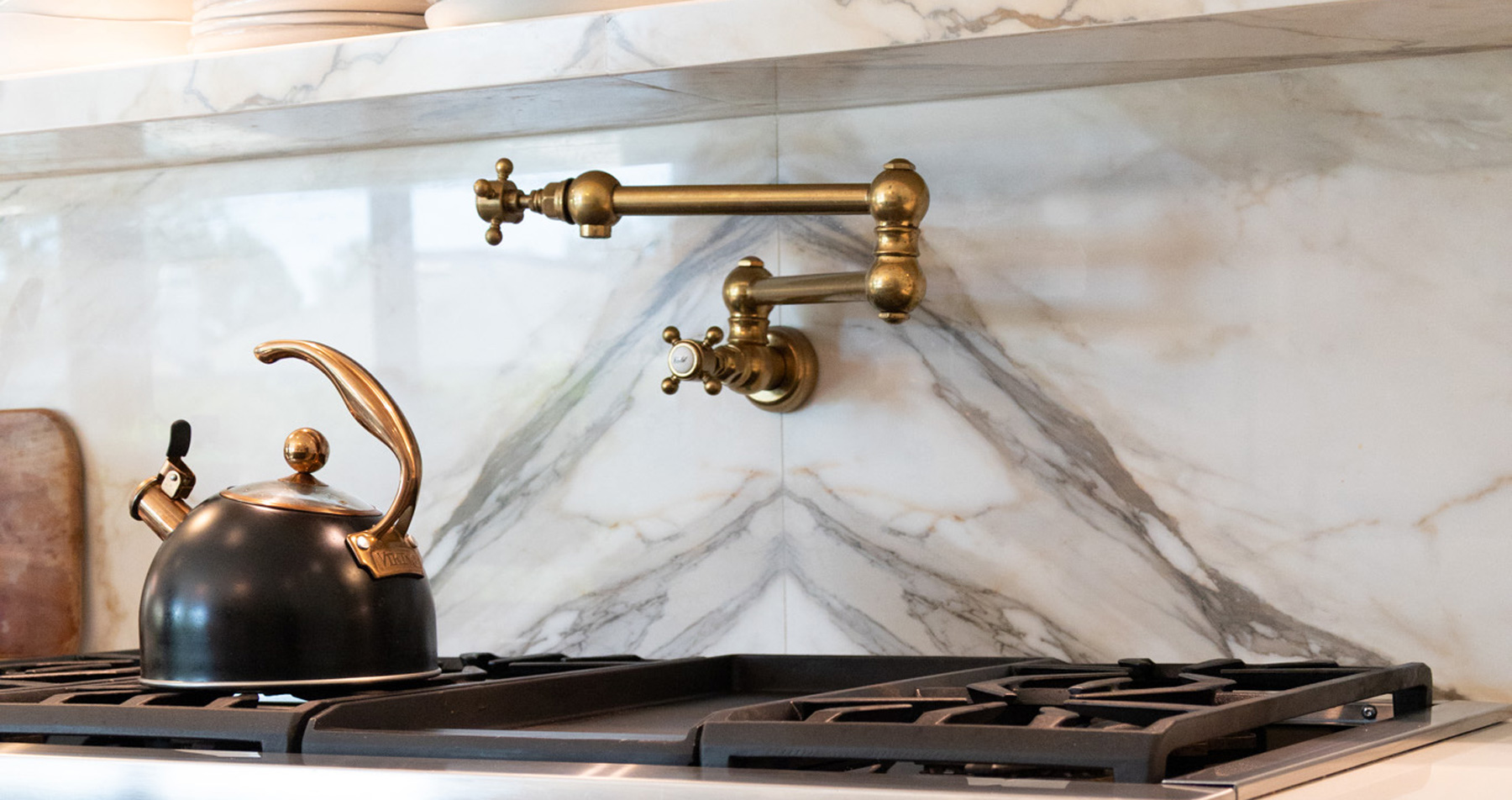
Metal patinas—from warm brass darkening to verdigris on copper—introduce reflective warmth, age and artisanal charm to fixtures, lighting and hardware when chosen for coastal contemporary interiors. In Sarasota’s salt air metals react faster, so designers balance desirable surface aging with corrosion mitigation so patina reads intentional, not neglected. The table below outlines common metals, their patina tendencies and mitigation strategies suitable for seaside luxury homes. Followed by detailed sections, it explains aesthetic use and protective tactics that preserve authenticity.
Before the table, consider how metal patinas function in design:
-
- Visual Depth: Patina layers color and tactile contrast into minimalist palettes.
- Material Story: Timeworn metal suggests craftsmanship and continuity.
- Coastal Expression: Verdigris and similar finishes reinforce an artisanal seaside mood.
Now the metal EAV table.
| Metal | Patina Type / Risk | Aesthetic + Corrosion Mitigation Strategy |
|---|---|---|
| Brass | Warm darkening to bronze | Allow mellowing; use sacrificial lacquer or clear coatings in high‑spray zones |
| Copper | Verdigris (green‑blue) | Embrace verdigris for accents; isolate from direct salt spray and use stabilizing coatings |
| Bronze | Soft brown aging | Ideal for large fixtures; clear microcoats preserve tone without appearing sealed |
How Do Brass, Copper, and Bronze Patinas Add Depth to Luxury Interiors?
Brass warms and honeyed tones that age to deep bronze, giving richness to cool coastal palettes; copper’s verdigris introduces green‑blue notes that read maritime and handcrafted; bronze softens to an even brown that grounds large fixtures and hardware. Use brass for pulls, lighting and plumbing where touch creates natural polish; reserve copper for sculptural accents and statement lighting that benefit from variability; choose bronze for entry hardware and fireplaces that need durable softness. Pair these metals with stone and linens to balance reflectivity and tactility, creating interiors that feel curated and welcoming.
How to Protect Metal Patinas from Coastal Corrosion While Maintaining Authenticity?
Protective strategies should slow destructive corrosion while allowing desirable surface aging: apply thin, reversible microcoatings that block salt without a plasticky look, use sacrificial anodes where hardware faces marine exposure, and place vulnerable pieces away from windows or doors that receive direct spray. Clean gently with soft cloths and mild detergents, and schedule professional stabilization for valuable items. Thoughtful detailing—drip edges, sealed junctions—prevents trapped moisture and prolongs patina quality. These measures keep patinated metals visually rich while preventing structural degradation that would undermine luxury appeal.
How Do Stone and Concrete Patinas Create Timeless Textures in Florida Luxury Homes?
Stone and concrete patinas add tactile layering and tonal variation that anchor interiors in material authenticity and resilience; their weathered surfaces blur indoor‑outdoor boundaries common in Sarasota living. Natural stone develops micro‑etching, softening and gentle color shifts from sun and salt, while concrete finishes—stain, microtopping or acid treatments—can emulate aged character in a controlled way. The table below compares common stones and concrete approaches for interior and exterior use; following sections detail ideal stones and concrete techniques to achieve weathered elegance without sacrificing longevity.
Introduce this stone/concrete comparison before the table.
| Stone/Finish | Patina / Weathering Behavior | Best Applications / Longevity |
|---|---|---|
| Travertine | Subtle surface pitting and warm mellowing | Great for indoor/outdoor thresholds with sealing and regular maintenance |
| Honed limestone | Softened sheen and slight color depth | Ideal for floors and shower surrounds when sealed appropriately |
| Microtopped concrete | Controlled surface aging via stains | Versatile for interiors; choose sealers rated for coastal moisture and UV exposure |
What Natural Stone Patinas Are Ideal for Sarasota’s Climate and Design Styles?
Travertine and honed limestone develop understated patinas that suit both contemporary and Mediterranean aesthetics, thanks to gentle surface softening and tonal warmth that complement coastal light. Use caution with polished marbles in humid, salty conditions—select stones with tighter crystalline structures for wet areas to limit etching. For indoor‑outdoor transitions choose honed finishes so wear reads as intentional patina rather than neglect. With careful selection and routine sealing, these stones keep their patina and longevity in Florida’s climate.
How Can Concrete Patinas Be Used to Achieve Weathered Elegance Indoors and Outdoors?
Concrete techniques—acid staining for variegation, microtopping for a controlled thin patina, and integral pigmentation for subtle aging—let designers create weathered elegance with predictable performance. Indoors, microtopping with a matte sealer yields an intimate, tactile floor that complements patinated wood and textiles; outdoors, specify breathable, UV‑stable sealers and proper expansion detailing to handle salt and moisture. Pair concrete patinas with warmer materials like wood and leather to avoid sterility, and plan resealing cycles based on exposure rather than visible wear alone.
How Do Leather and Textile Patinas Add Character to Sarasota Luxury Furnishings?
Leather and textiles develop patina through use, light and handling, turning new upholstery into textured, inviting elements in luxury interiors. Aniline and vegetable‑tanned leathers gain glossy sheens and softened creases; heavyweight linens and natural cottons mellow and soften as fibers relax and dyes age. These transformations create welcoming seating, layered bedding and tactile accessories that temper more austere contemporary elements. The sections below outline which materials age best and how to integrate them without compromising maintenance or performance.
What Types of Leather and Fabrics Develop Rich Patinas Over Time?
Aniline leather—lightly treated or untreated—softens, develops a warm surface gloss and reveals natural markings that signal authenticity; pull‑up leathers shift color with flex and hand contact for dramatic depth. For textiles, heavyweight linen and natural weaves abrade and relax, gaining visual depth as fibers settle. Use performance finishes in high‑traffic zones and reserve pure aniline and linen for carefully placed upholstery or occasional seating so patina can evolve gracefully. These choices create a tactile hierarchy that supports comfort and sophistication.
How to Integrate Patinated Textiles for a Comfortable, Inviting Luxury Feel?
Layer patinated textiles with newer pieces to strike balance: pair a well‑worn leather sofa with crisp linen pillows and throws so the look reads curated, not tired. Use area rugs and removable covers to introduce patina in manageable doses, letting homeowners refresh texture without replacing large pieces. Care strategies include spot cleaning, rotating cushions and controlling sun exposure to prevent uneven fading. Thoughtful layering makes patinated textiles feel intentional, prolongs their life and enhances a lived‑in luxury aesthetic.
How Can You Integrate Natural Patinas into Sarasota’s Coastal, Contemporary, and Mediterranean Styles?
Patina can be tailored to coastal, contemporary and Mediterranean styles by adjusting scale, repetition and material pairings so aged surfaces feel deliberate and cohesive throughout the home. Coastal schemes favor bleached wood and soft verdigris; contemporary spaces benefit from restrained, monochrome patinas that add texture without ornament; Mediterranean interiors reward richly aged wood and warm stone patinas that reinforce sunlit warmth. Biophilic pairings—plants, natural light and water features—amplify patina’s sensory appeal. The sections below offer blending rules‑of‑thumb and biophilic examples that make patina feel integrated rather than applied.
Before the H3s, a short list of style‑specific patina actions:
-
- Coastal: Favor weathered wood and verdigris accents to evoke shoreline heritage.
- Contemporary: Use restrained, matte metal patinas and honed stone for subtle texture.
- Mediterranean: Highlight richly aged wood and warm stone patinas to enhance sunlit warmth.
What Are Effective Ways to Blend Vintage Patinas with Modern Luxury Elements?
Blend vintage patinas with modern luxury by using scale and repetition: choose one patinated anchor per room—such as a reclaimed dining table—then echo its tones in small accents like hardware or frames. Balance aged surfaces with refined contemporary elements—sleek upholstery, glass or polished stone—to avoid a rustic feel. Practical rules include limiting large patinated surfaces to one or two per major space and repeating material cues in three or more places for cohesion. These tactics keep patina intentional and integrated.
How Does Biophilic Design Enhance Patina Use in Authentic Sarasota Interiors?
Biophilic design—bringing plants, natural light and water into the home—accentuates patina by revealing texture, deepening color and reinforcing materials’ natural origin. Sunlight highlights grain and micro‑etching while living plants sit naturally against aged wood and stone, making patina feel like part of a living ecosystem rather than a decorative effect. Planters, indoor‑outdoor sightlines and natural ventilation reinforce material authenticity and occupant well‑being, creating interiors where patina is both beautiful and restorative.
What Is Trade Mark Interiors’ Unique Approach to Using Natural Patinas in Sarasota Luxury Homes?
Trade Mark Interiors, Inc. applies a “psychology‑meets‑design” method to curate patinated materials that align with client lifestyle, sensory preference and long‑term durability. We integrate regional aesthetics—coastal, contemporary and Mediterranean—across full‑service residential projects, coordinating material selection, procurement and installation so patina reads as intentional. Our full‑service process, From Plans to Pillows®, aligns architecture, finishes and furnishings so patina is planned, not accidental. We present these outcomes to attract high‑end residential clients for full‑service interior design engagements.
How Does the “Psychology‑Meets‑Design” Philosophy Influence Patina Selection?
Our “psychology‑meets‑design” approach pairs patina character with client sensibilities: active families get durable patinated surfaces in low‑maintenance locations, while weekend retreats may favor more delicate, sensory‑rich patinas that reward gentle use. We consider emotional responses—warmth, ruggedness, softness—alongside functional needs like abrasion resistance and moisture tolerance. This alignment ensures materials enhance daily life and perceived comfort. The philosophy guides choices from finish sheen to tactile placement so patina supports both beauty and behavior.
Which Patina‑Focused Projects Showcase Authentic Sarasota Luxury?
Trade Mark Interiors highlights projects where patina is central—coastal homes with verdigris‑accent lighting, contemporary condos with honed limestone thresholds and Mediterranean residences anchored by reclaimed‑wood dining elements—each curated to read authentic and high‑end. Project summaries include material lists, placement rationale and client outcomes, showing how considered patina increases warmth and resale appeal. For visuals and case studies, reviewers are invited to explore our portfolio pages and project narratives to see patina‑driven results in real settings.
Why Choose Natural Patinas for Authentic and Sustainable Sarasota Luxury Interiors?
Natural patinas offer individuality, timelessness and a sustainability advantage by prioritizing durable materials and reuse over frequent replacement. Patinated surfaces signal craftsmanship and provenance—qualities that appeal to discerning buyers seeking homes with story. From a sustainability perspective, selecting reclaimed wood, long‑lasting metals and enduring stone lowers embodied carbon and extends product lifecycles. The sections below explain how patina increases value and how it fits into eco‑conscious design practice.
How Do Patinas Increase Individuality, Timelessness, and Home Value?
Patina creates unique surfaces that set a home apart from cookie‑cutter finishes and communicate careful stewardship—attributes luxury buyers interpret as added value. Timeworn materials suggest longevity and craftsmanship, which can boost desirability and resale appeal in upper‑tier markets. Trends toward authenticity and sustainable sourcing reinforce patina’s market advantage. Investing in materials that mature attractively helps homeowners preserve uniqueness and, in many cases, capture a premium from buyers who prize character and durability.
What Role Do Patinas Play in Sustainable and Eco‑Conscious Luxury Design?
Patina‑aligned sustainability emphasizes reclaimed materials, low‑VOC finishes and design for longevity: reuse reduces extraction, durable patinated metals cut replacement cycles, and breathable finishes extend material life without toxic overcoating. Designers prioritize ethical sourcing and lifecycle thinking so patina becomes a strategy to reduce waste while enhancing aesthetic value. We showcase these practices to attract clients who want beautiful, eco‑responsible homes.
Frequently Asked Questions
What are the benefits of using natural patinas in interior design?
Natural patinas enrich interiors with depth, character and a sense of history. They create unique surfaces that tell a story and invite touch, making each piece distinct. In luxury design, patinated finishes add warmth and authenticity, appealing to homeowners who value individuality, craft and sustainable choices.
How can I maintain the beauty of natural patinas over time?
Maintaining natural patinas requires regular, sensible care. Clean gently with pH‑neutral products to avoid stripping surface layers. For wood, periodic re‑oiling preserves patina and prevents drying; for metals, thin breathable coatings can protect against corrosion without hiding the finish. Controlling humidity and sun exposure also extends the life and vibrancy of patinated surfaces.
Are there specific design styles that benefit most from natural patinas?
Yes. Natural patinas complement coastal, contemporary and Mediterranean styles particularly well. Coastal schemes use weathered wood and verdigris to evoke shoreline character; contemporary spaces gain subtle matte patinas for texture; Mediterranean interiors lean into richly aged wood and warm stone to reinforce sunlit warmth. Each style can use patina to create a cohesive, lived‑in luxury feel.
What are some common misconceptions about natural patinas?
One misconception is that patina equals neglect. In fact, patina often signals authenticity and craftsmanship and can increase value. Another is that patinas require onerous maintenance—proper techniques keep them beautiful with reasonable effort. Finally, not all patinas are unsuitable; when chosen and integrated thoughtfully, they enhance a space’s personality and appeal.
How do I choose the right materials for achieving beautiful patinas?
Choose materials by matching environmental conditions and the desired aesthetic. Woods like mahogany and oak patinate attractively in humid climates; metals such as brass and copper offer striking coastal effects when managed correctly. Select materials that age well and complement your design; consulting a design professional ensures the patina you expect is the patina you get.
Can natural patinas be used in outdoor spaces as well?
Absolutely. Patinas can enhance outdoor areas, but choose durable materials and proper treatments. Stone and certain metals develop appealing outdoor patinas, but you’ll want weather‑resistant woods and corrosion‑resistant metals and a maintenance plan—regular cleaning and protective treatments—to preserve integrity and appearance.